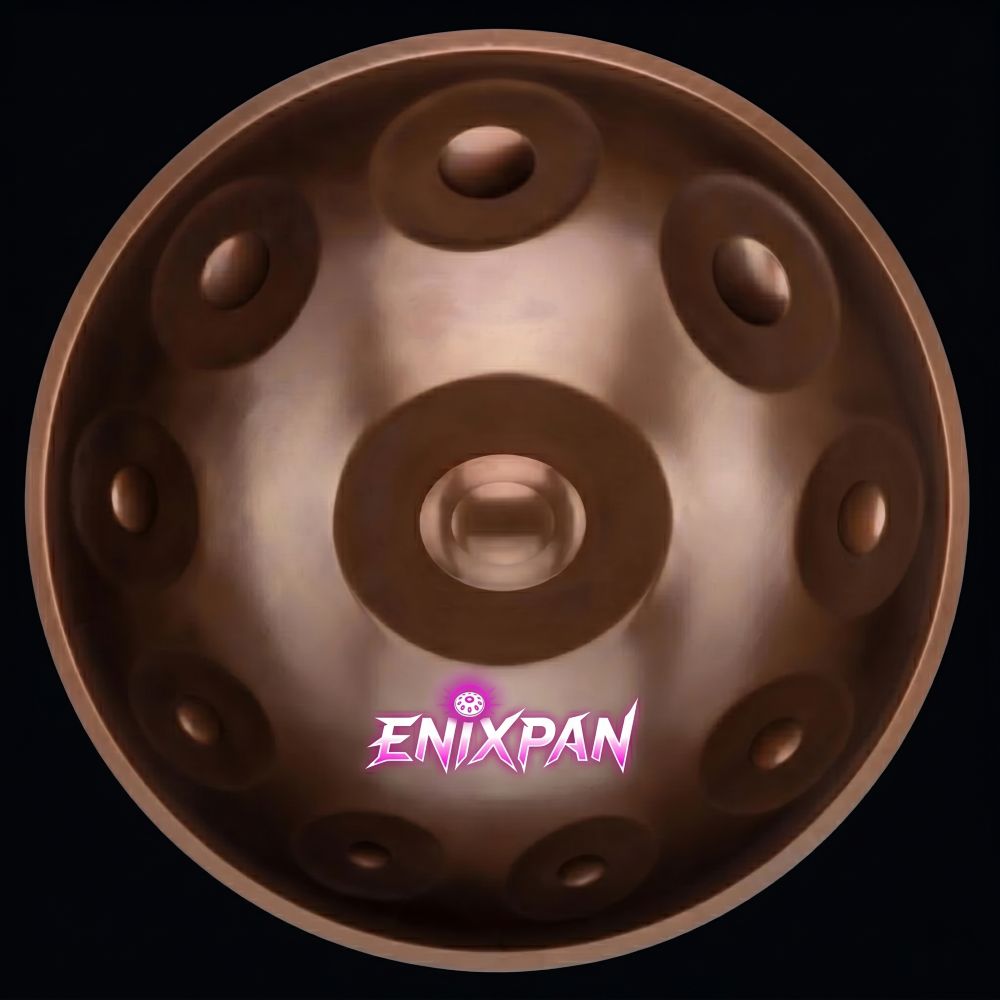
D minor · 10 notes
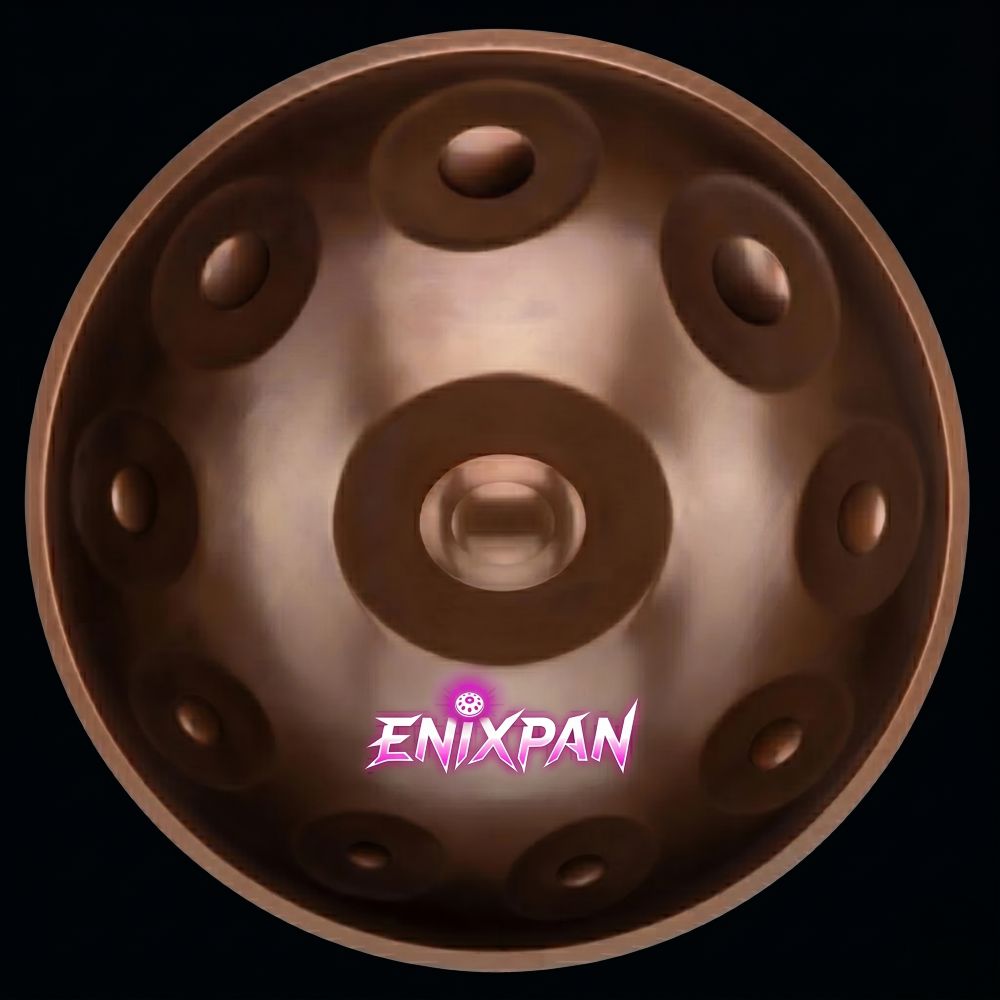
Enixpan D Kurd 10 Notes
Minor and wistful, 7 different notes. The most affordable of the five. Ø 55,9 cm, 4,5 kg.
A 10-note handpan has a central Ding and nine notes around it, which is the usual size for a first instrument. We make four of them, plus a 9-note model with a lower Ding, from €1,590 to €1,990. The scale is what sets them apart.
Each model page lists every note, with photos, video or a Nixis preview, and ordering.
Minor and wistful, 7 different notes. The most affordable of the five. Ø 55,9 cm, 4,5 kg.
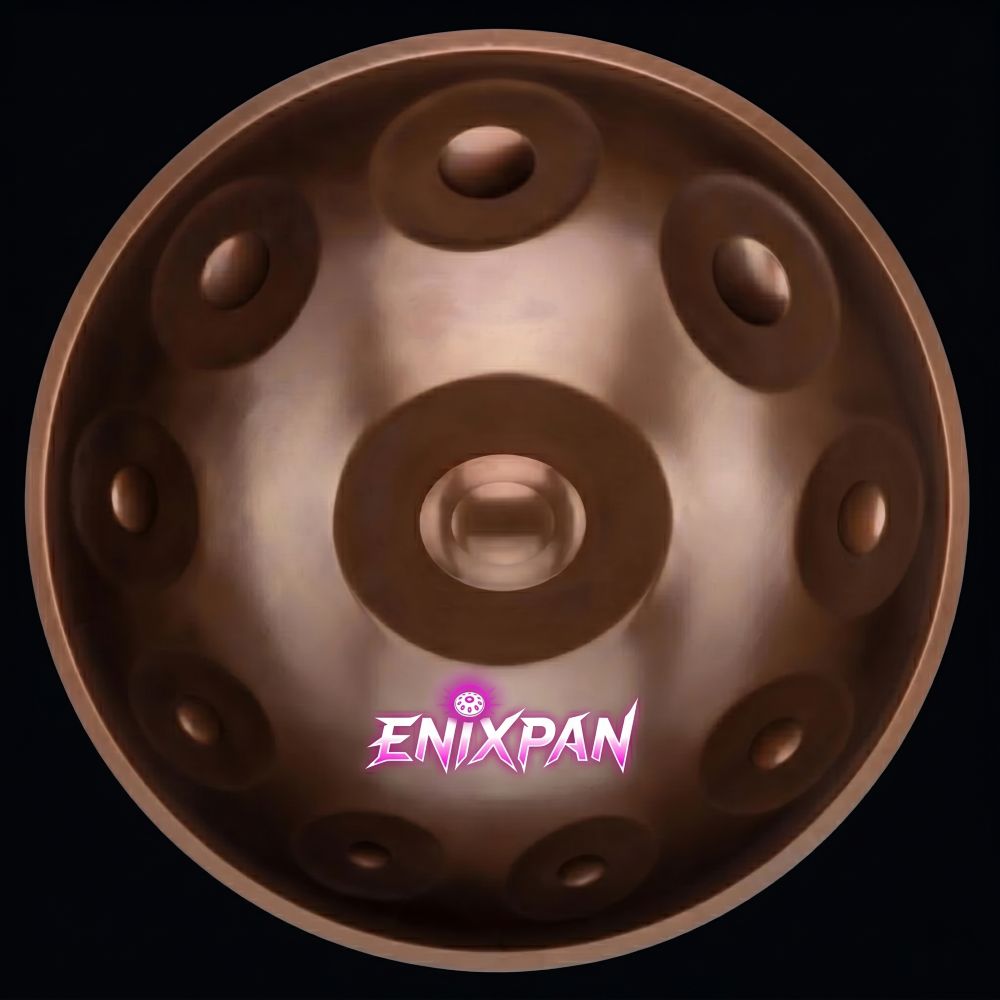
Dreamy and airy: 5 different notes that rarely clash. Ø 55,9 cm, 4,5 kg.
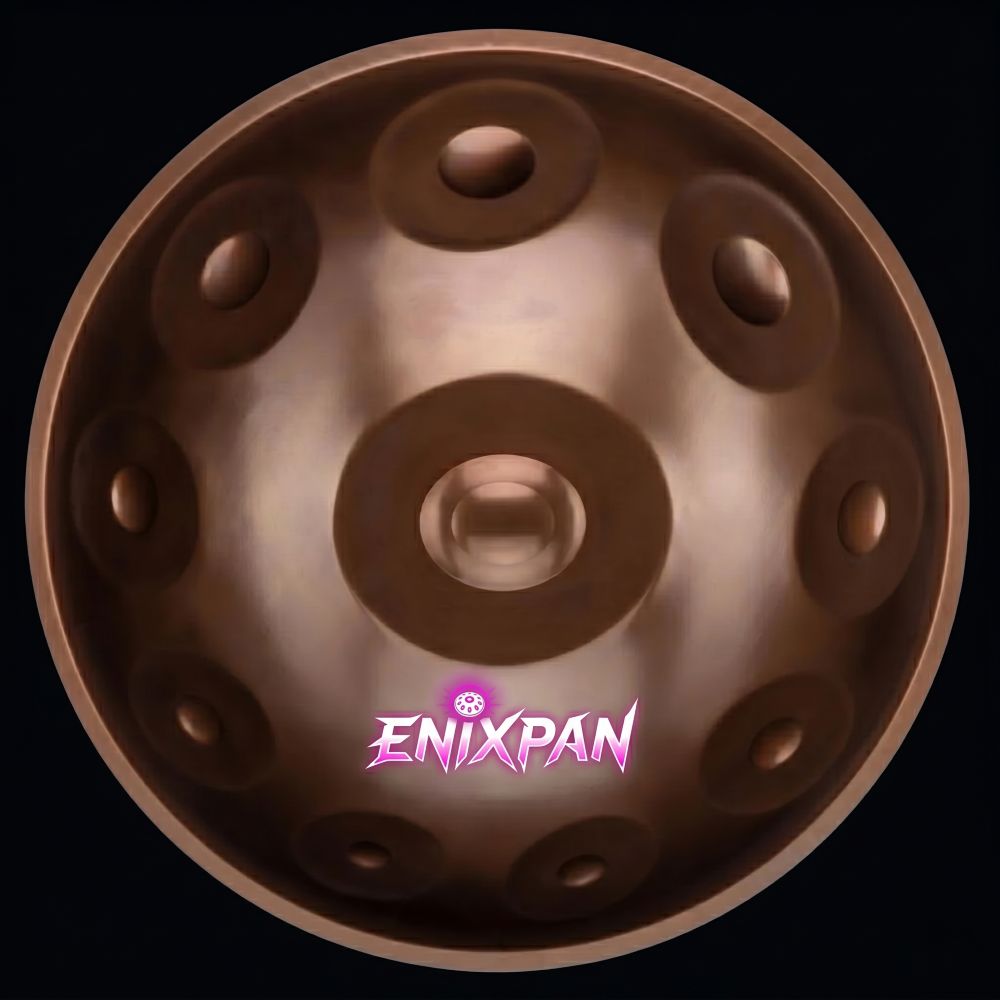
Major, bright and open, with 7 different notes. Ø 55,9 cm, 4,5 kg.
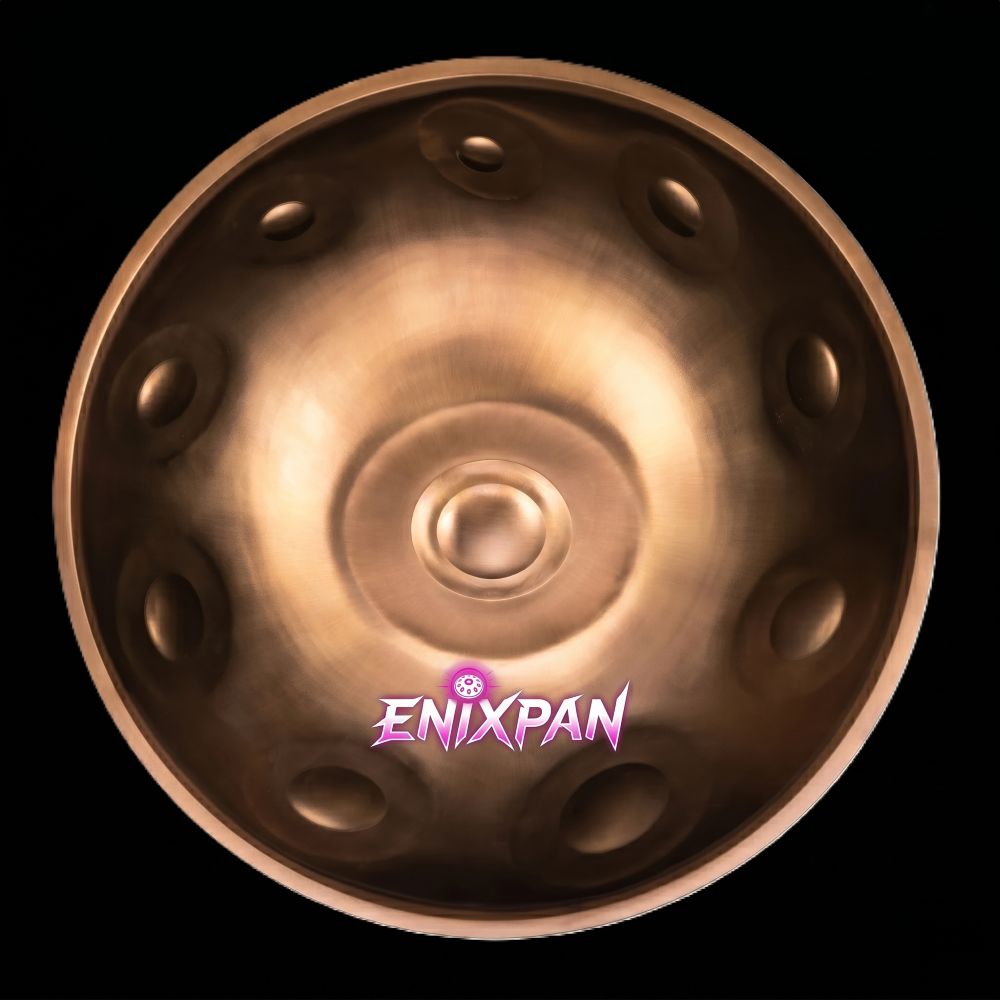
The augmented second between E♭ and F♯ gives it a Middle-Eastern feel. 6 different notes. Ø 55,9 cm, 4,5 kg.
9 notes around a C3 Ding, lower than the others. 5 different notes and a hypnotic mood. Ø 55,9 cm, 4,5 kg.
With nine or ten notes each, the choice comes down to colour: pick the sound you enjoy hearing.
Want more detail? Choosing a beginner handpan under €2,000 compares these models, and how many notes a handpan should have explains when 13 or more notes make sense.
To compare all five scales, Nixis simulates them from recorded samples. It gives you the notes, not the exact voice of your own instrument.
Ten: the Ding in the middle and nine notes around it, all on the top shell. Some listings write it as "9+1", which is the same instrument. The C Low Pygmy 9 has one fewer, with a lower Ding. Read the guide →
The one whose scale you like when you hear it: none of the five needs any music theory. The D Kurd 10 is the least expensive (€1,590); the D Aegean, D Ashakiran and D Hijaz cost €1,690 and the C Low Pygmy 9 €1,990. Read the comparison →
It comes down to taste and use: 440 Hz is the standard if you play with other instruments, 432 Hz sits slightly lower. Both cost the same; you choose when you order. Read the tuning guide →